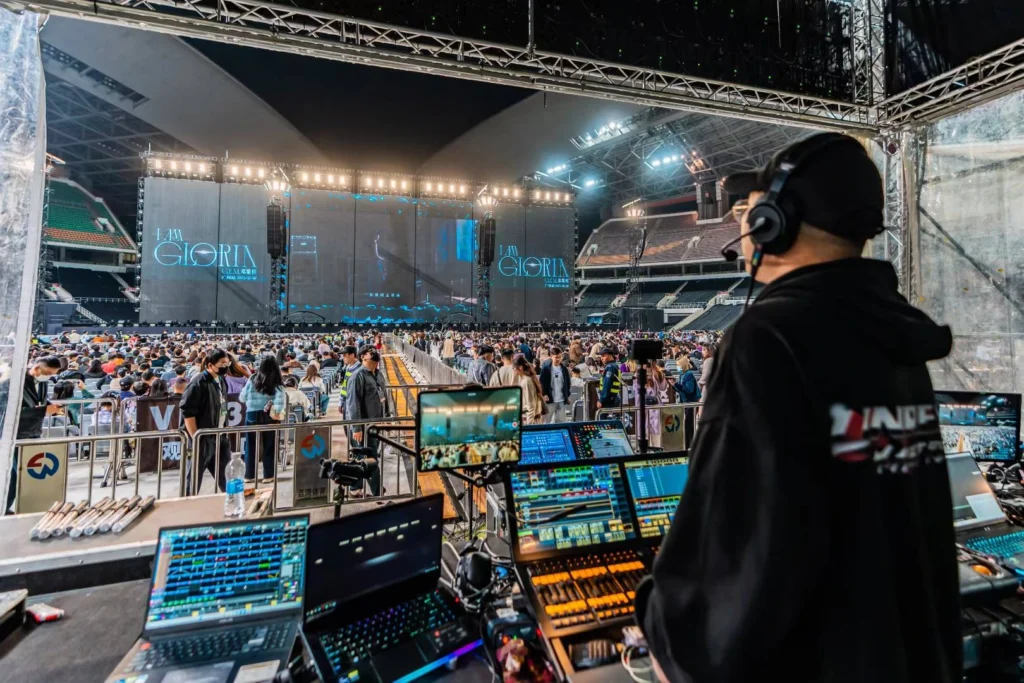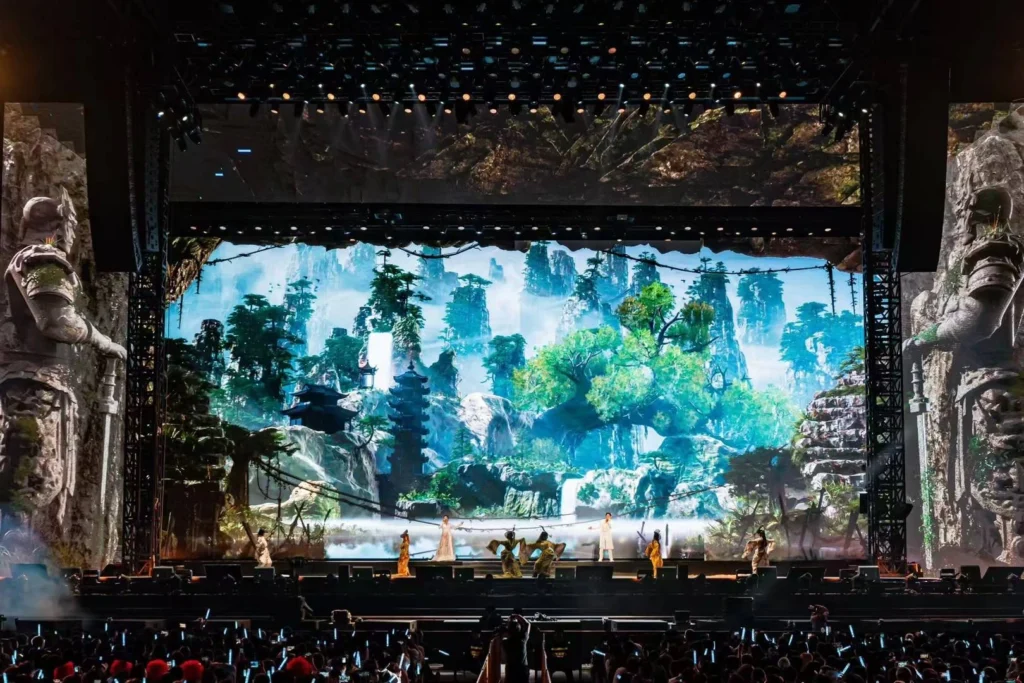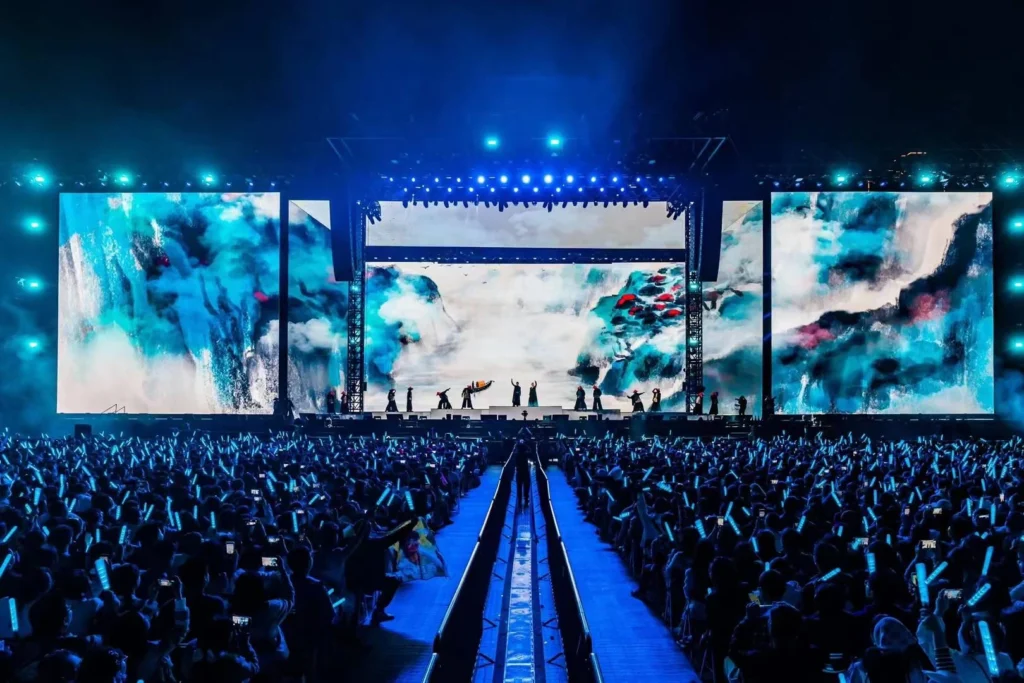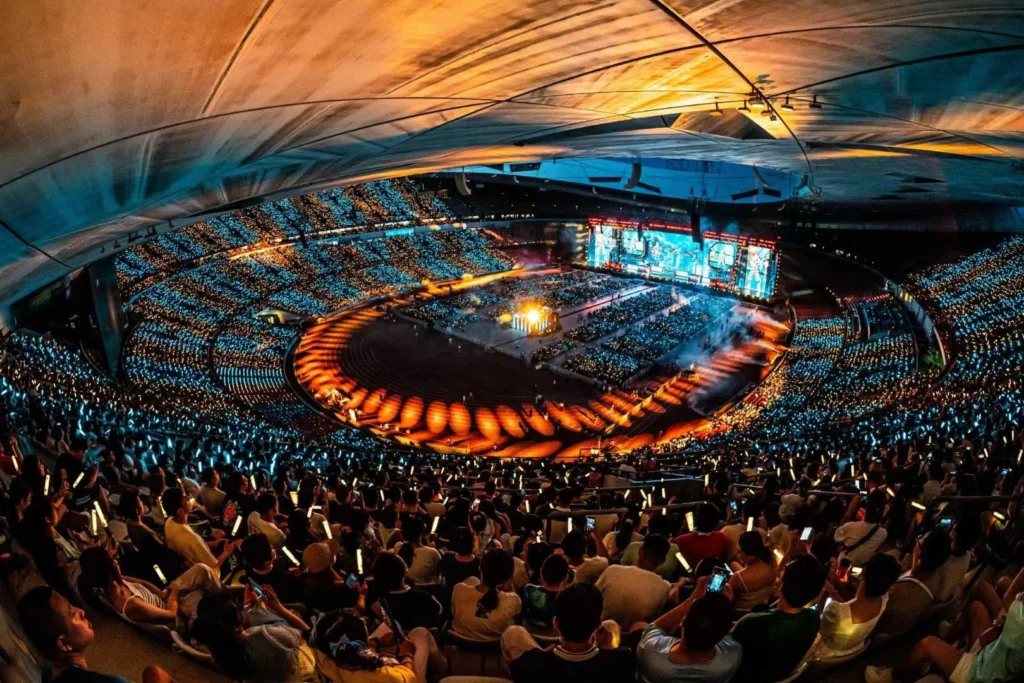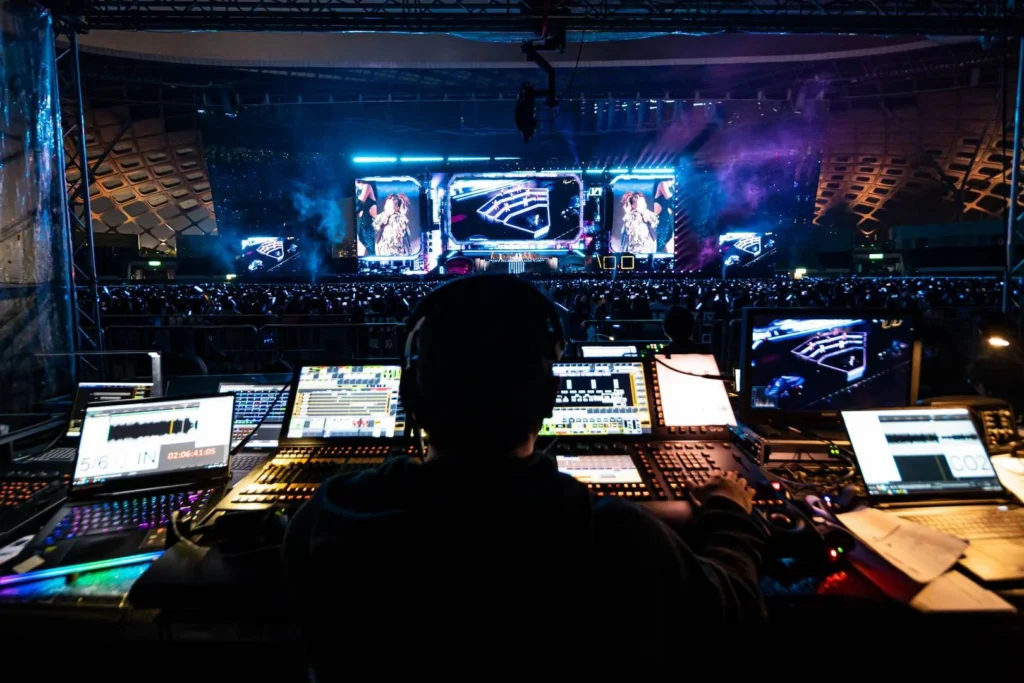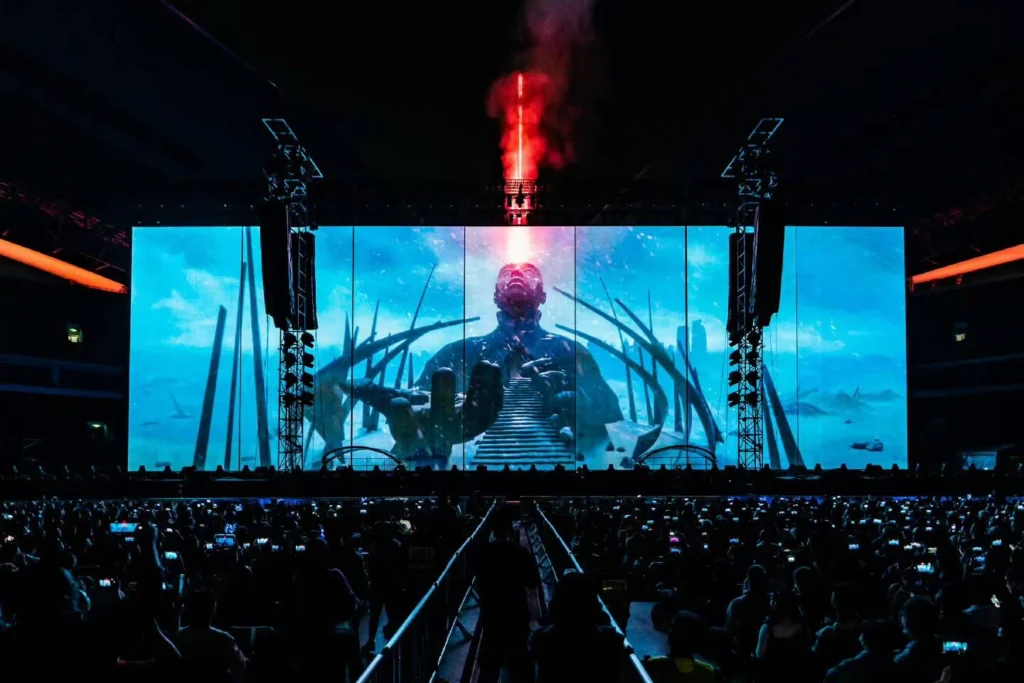
LED Display for Stage
Wolled provides stage LED display solutions for concerts, music festivals, and evening events, offering stunning visual effects, ultra-high refresh rates, flexible splicing, quick assembly, one-stop service, and dual backup to ensure a stable and memorable experience.
Home » LED Display for Stage
STAGE LED DISPLAY RECOMMENDATION
Stage LED displays must have an ultra-high refresh rate (≥3840Hz) to avoid flickering when filmed, flexible splicing capability to adapt to creative stage shapes, high color fidelity, lightweight and portable cabinets for quick assembly and disassembly, and strong impact resistance to withstand intensive stage use.
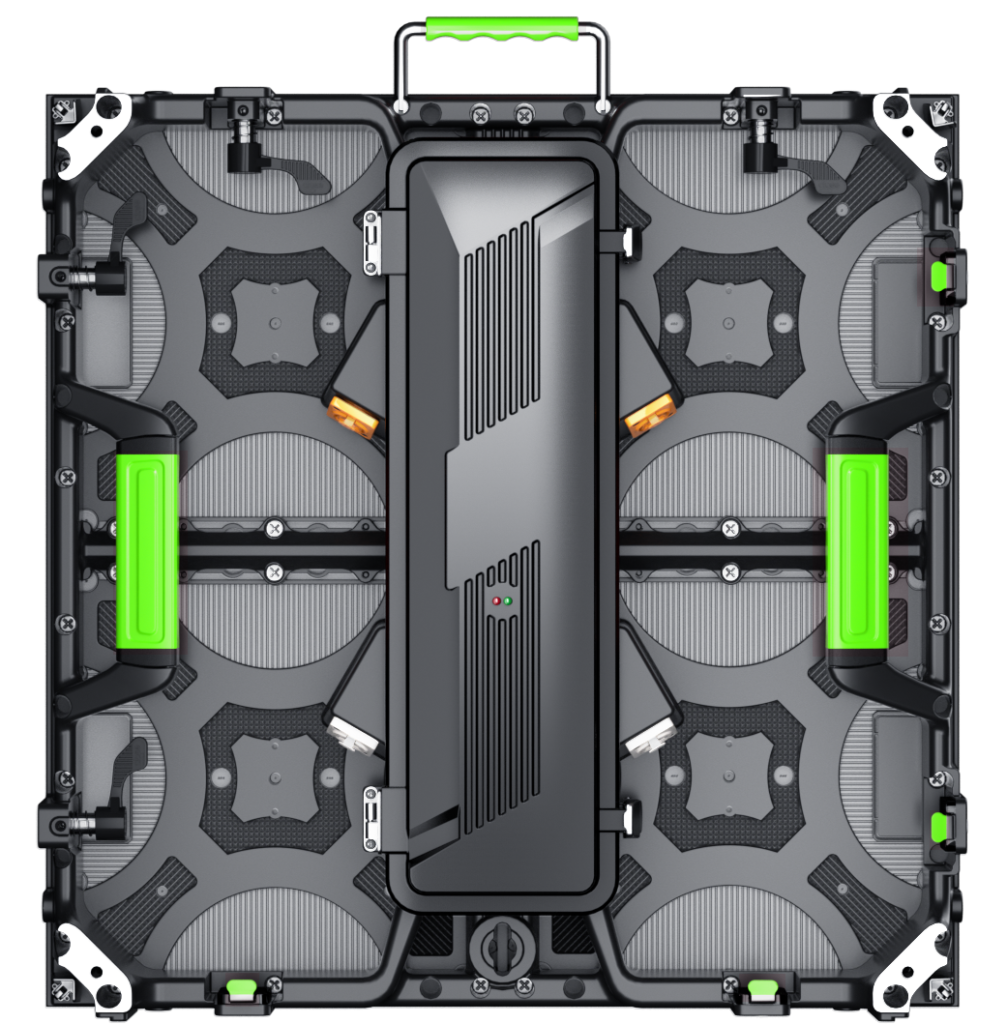
RS-B Series Rental Screen
- Cabinet Size: 500x500/500x1000mm
- Module Size: 250x250
- Indoor pixel pitch: P1.5625, P1.975, P2.604, P2.976, P3.91, P4.81
- Outdoor pixel pitch: P2.604, P2.976, P3.91, P4.81
- Rear Maintenance
- Cabinet material: Die-cast aluminum
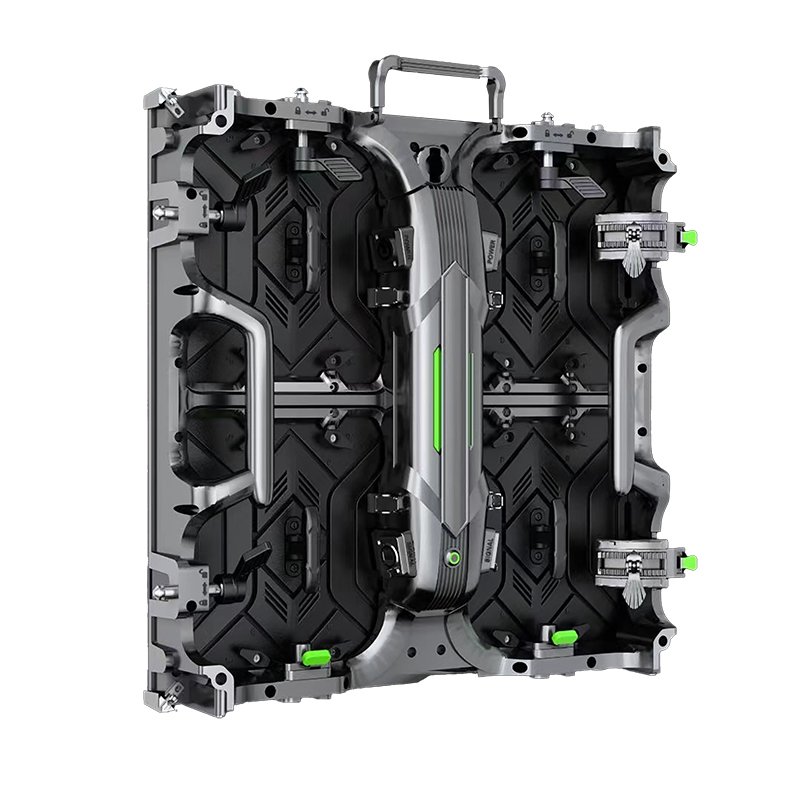
RH-B Series Rental Screen
- Cabinet Size: 500x500/500x1000mm
- Module Size: 250x250
- Indoor pixel pitch: P1.5625, P1.975, P2.604, P2.976, P3.91, P4.81
- Outdoor pixel pitch: P2.604, P2.976, P3.91, P4.81
- Front and rear maintenance
- Cabinet material: Die-cast aluminum
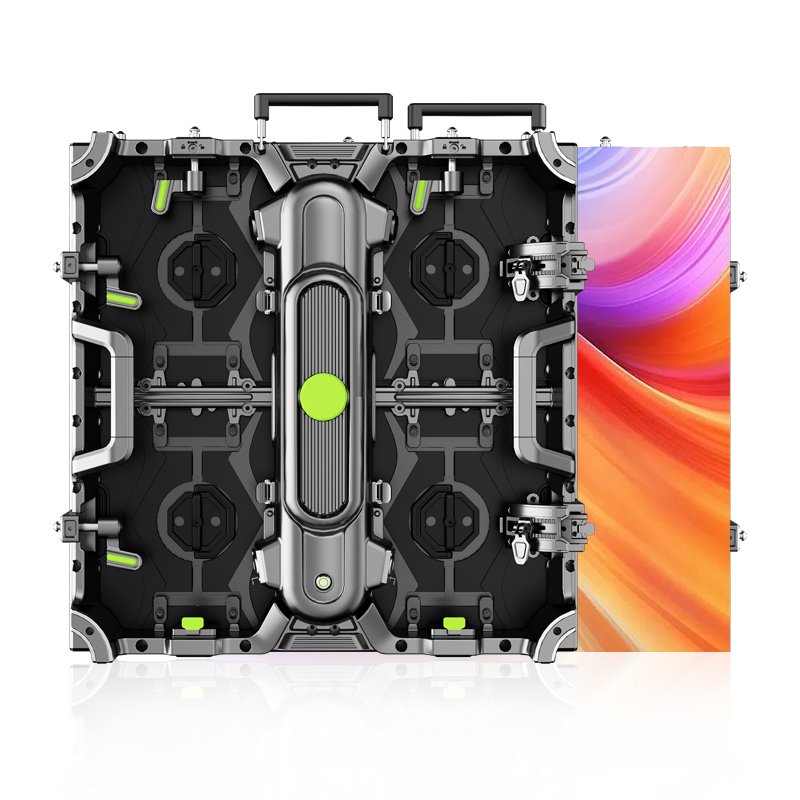
RH-E Series Rental Screen
- Cabinet Size: 500x500/500x1000mm
- Module Size: 250x250
- Indoor pixel pitch: P1.5625, P1.975, P2.604, P2.976, P3.91, P4.81
- Outdoor pixel pitch: P2.604, P2.976, P3.91, P4.81
- Front and rear maintenance
- Cabinet material: Die-cast aluminum
Inquire Form
Our professional sales manager will reach you within 12hours!
Professional Stage LED Display Solution Provider
1.Wolled has been deeply involved in the stage LED display field for 16 years and is a leading LED display supplier. It has accumulated rich industry experience and various successful stage cases in countries such as the United States, Italy, Australia, Jordan, and Lithuania, establishing a good brand reputation in the industry.
2.Wolled has a standardized production base and strict quality control, equipped with Samsung and Panasonic SMT stage LED dedicated production equipment. Each screen undergoes a 72-hour powered aging test before shipment; it maintains stable cooperation with high-quality suppliers to ensure supply and delivery efficiency.
3.Wolled has a complete product line of stage-specific LED screens. The entire range of products has passed global authoritative certifications, including CE, EMC, FCC, ISO 9001, ICCC, and RoHS certifications.
4.Wolled has established a professional team for technology, sales, and after-sales, providing full-process support. It can efficiently address various issues customers may encounter during product purchase, on-site installation, and post-maintenance. With tailored exclusive solutions and 24/7 emergency after-sales support, it covers the entire lifecycle of stage projects, comprehensively resolving customers’ concerns.
Where Can You Use Stage LED Screens?
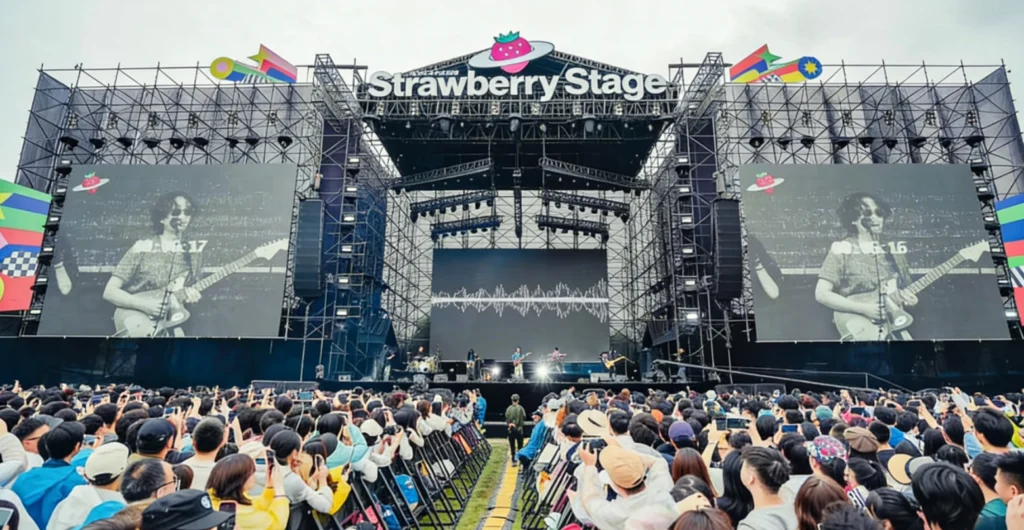
Music festivals and concerts
Nowadays, modern concerts and music festivals use LED screens on stage as the core visual medium. It is not only a tool for display but also key to creating atmosphere and conveying art.
For example: Coldplay’s tour creates a stunning live experience with an immersive LED stage and giant background screens; Ed Sheeran uses 360° circular LEDs, simple yet highly impactful; Lady Gaga is known for her creatively shaped LED stages; Taylor Swift’s Era Tour presents an ultimate immersive visual experience with giant surround LEDs and multi-layered large screens.
Product Launch Event (Corporate Event)
Nowadays, product launches and corporate events generally use large high-definition LED screens as the core display medium, clearly presenting product highlights, details, and various technologies, effectively enhancing the presentation effect of the event and demonstrating the company’s professional strength and brand style.
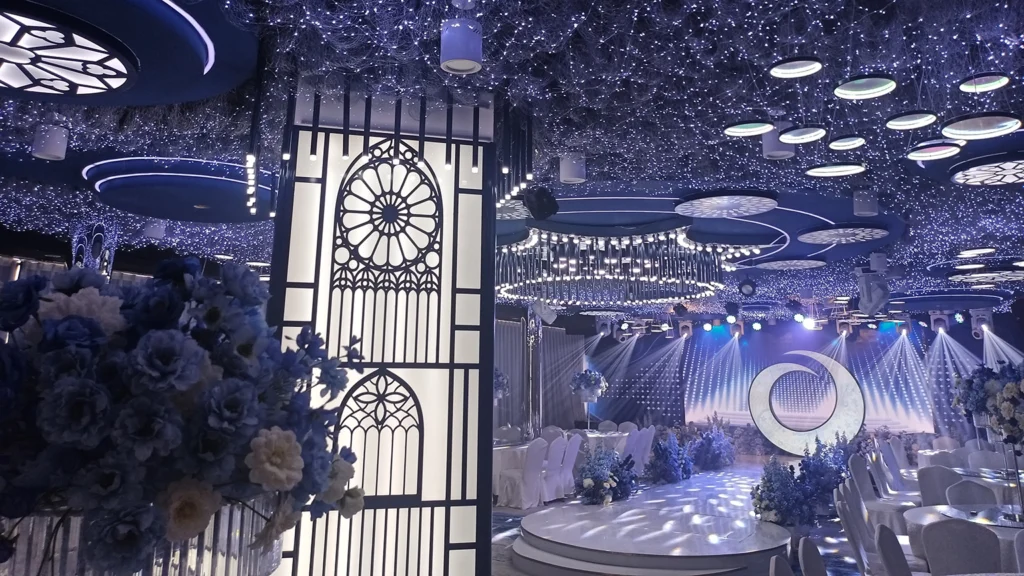
Wedding Celebrations
The wedding LED screen is not just a decoration; it is also the core element for enhancing the wedding atmosphere. It can serve as a beautiful stage backdrop, playing love videos and romantic animations; synchronizing real-time footage, allowing guests to clearly witness every happy moment. It can also display schedule information, complement live performances to set the mood, and create a romantic and unforgettable wedding celebration.
XR Virtual Production
In the field of television broadcasting and film virtual production, XR LED displays have completely revolutionized traditional set design. News, talk shows, and various studios widely use LED background walls and LED floor screens, combined with XR real-time rendering technology, to create realistic and immersive live broadcast scenes. Without replacing physical sets, it is possible to quickly switch between city skylines, virtual scenes, weather charts, and custom visual content, achieving efficient, flexible, and visually striking program production.
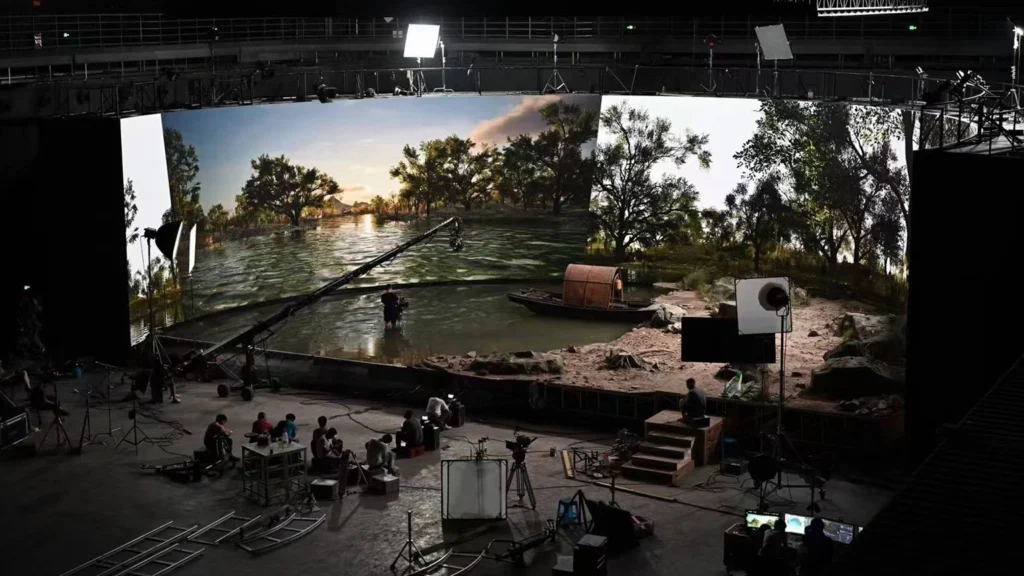
Wolled Stage LED Screen
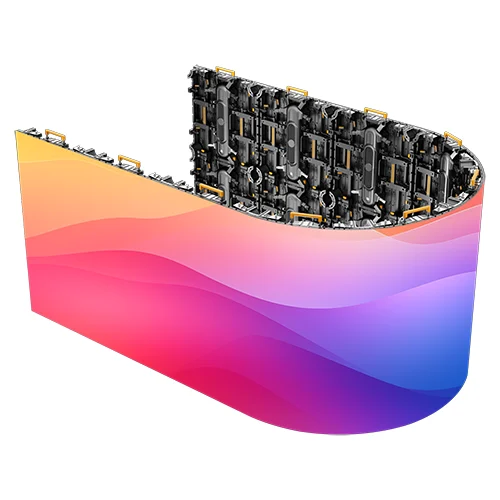
RH-E Series Stage LED Video Wall
- Usage environment: Indoor&Outdoor
- Indoor pixel pitch: P1.5625, P1.975, P2.604, P2.976, P3.91, P4.81
- Outdoor pixel pitch: P2.604, P2.976, P3.91, P4.81
- Cabinet size:500x500/500x1000mm
- Module size:250x250mm
- Flexible screens, flat screens, hybrid splicing
- Front and Rear Service Design
- Hub Connection Design
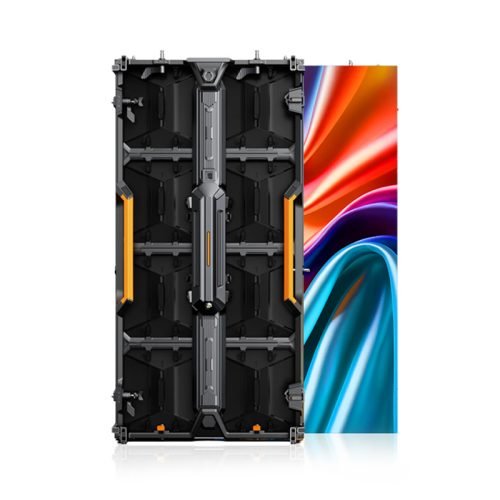
RH-C Series Stage Rental LED Display
- Usage environment: Indoor&Outdoor
- Indoor pixel pitch: P1.5625, P1.975, P2.604, P2.976, P3.91, P4.81
- Outdoor pixel pitch: P2.604, P2.976, P3.91, P4.81
- Cabinet size:500x500/500x1000mm
- Module size:250x250mm
- Optional High-Precision Arc Lock
- Front and Rear Service Design
- Hub Connection Design
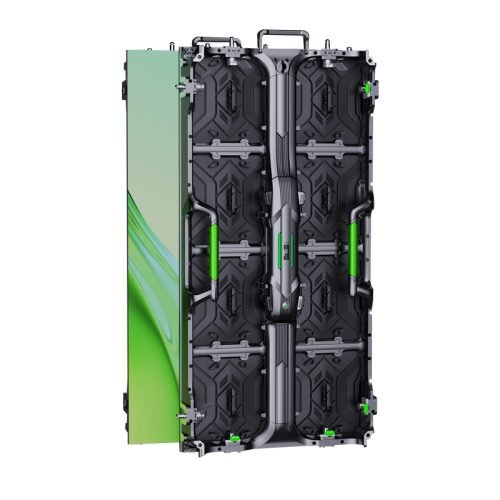
RH-B Series Stage Rental LED Screen
- Usage environment: Indoor&Outdoor
- Indoor pixel pitch: P1.5625, P1.975, P2.604, P2.976, P3.91, P4.81
- Outdoor pixel pitch: P2.604, P2.976, P3.91, P4.81
- Cabinet size:500x500/500x1000mm
- Module size:250x250mm
- Optional High-Precision Arc Lock
- Front and Rear Service Design
- Hub Connection Design
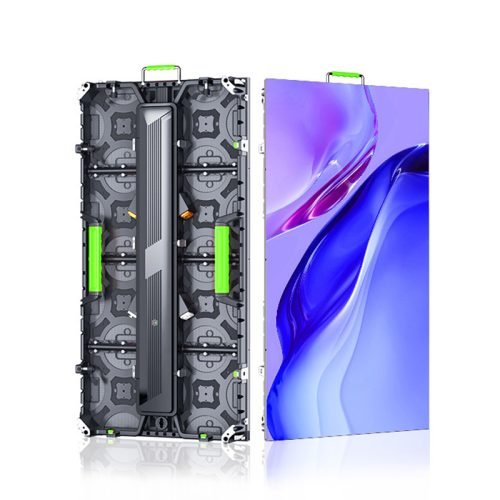
RS-B Series Stage Rental LED Video Wall
- Usage environment: Indoor&Outdoor
- Indoor pixel pitch: P1.5625, P1.975, P2.604, P2.976, P3.91, P4.81
- Outdoor pixel pitch: P2.604, P2.976, P3.91, P4.81
- Cabinet size:500x500/500x1000mm
- Module size:250x250mm
- Flexible screens, flat screens, hybrid splicing
- Front and Rear Service Design
- Cable Connection Design
Learn more
2026 Stage LED Display Screens: Complete Guide to Prices and Commercial Uses
Stage LED displays have powerful visual performance, capable of creating an immersive atmosphere, enhancing audience interaction, and delivering a memorable event experience, making them key to hosting a successful event. This 2026 professional guide will provide event planners, producers, and technical personnel with a comprehensive analysis of LED screen selection and technical points, helping you choose high-quality equipment with cost-effectiveness, allowing your events to achieve better results and gain unanimous recognition from clients and sponsors.
Table of Contents
- 1.What is a Stage LED Screen?
- 2.Comparison between Stage LED Screens and Traditional LED Screens
- 3.How to design a Stage LED Screen
- 4.How to choose the LED display screen that is most suitable for the stage?
- 5.What is the optimal pixel pitch and resolution for a stage LED screen?
- 6.How to choose a video processor suitable for stage screens?
- 7.The most detailed stage LED display prices in 2026
- 8.Common Questions and Answers about Stage LED Screens
- 9.In conclusion
- 10.More real customer cases from Wolled Display!
Get Stage LED Display Solutions!
1.What is a Stage LED Screen? | Complete Explanation
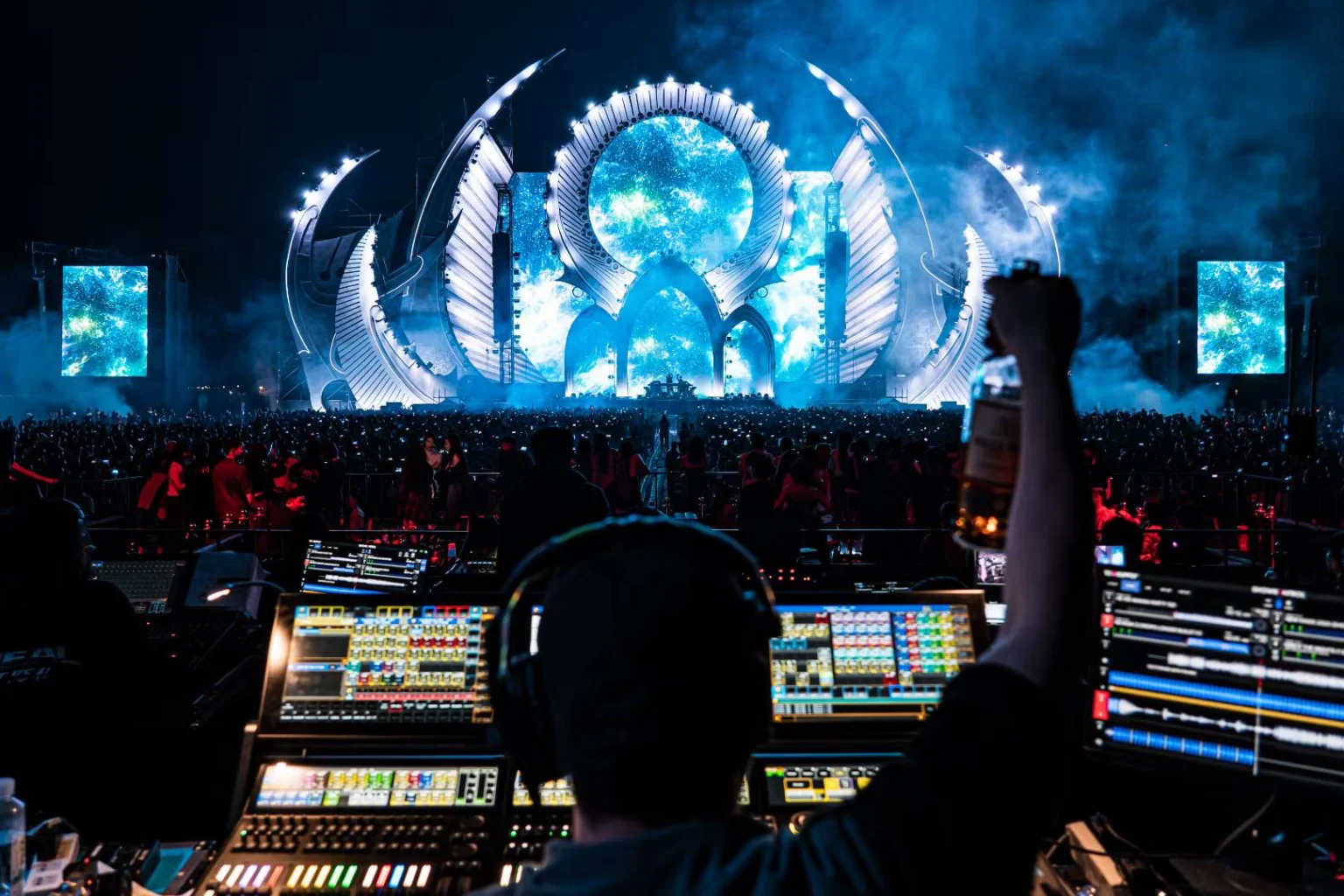
Stage LED displays are mostly composed of rental LED screens, capable of presenting high-definition and bright images, videos, graphics, and 3D animations. They come in various specifications, with flexible sizes and shapes, and are commonly used for concerts, theater performances, conferences, and various live events.
It can be hung or placed on both sides of the stage, and can also serve as a high-definition digital background for the performance area, rendering dynamic content in real time. With vibrant colors and delicate image quality, it creates a stunning visual effect and is an ideal visual display device for various performances and brand events.
3.How to design a Stage LED Screen
When designing stage LED screens, it is necessary to systematically plan around four aspects: cost budget, visual presentation, venue adaptation, and structural safety and stable operation. The following are the key design points:
3.1 Screen Size: Follow the Golden Rule of Viewing Distance
The screen size should be determined according to the scale of the venue and the layout of the audience seats. It is recommended to control the screen height to be between 1/6 and 1/10 of the distance from the last row of spectators to the screen. This ratio ensures that the entire audience enjoys a clear and comfortable viewing experience, taking into account the visual experience from both near and far distances.
3.2 Screen ratio: Preferably use the 16:9 standard aspect ratio
16:9 is currently the mainstream aspect ratio for stage LED screens, ensuring the complete presentation of screen content, avoiding cropping or distortion, while also matching the human eye’s field of view, providing the audience with a more comfortable visual experience.
3.3 Resolution and Pixel Pitch: Balancing Image Quality and Cost
When selecting the pixel pitch (P value) for stage LED screens, it is necessary to reasonably match it according to the audience’s viewing distance — the closer the viewing distance, the smaller the required pixel pitch. There is no need to blindly pursue excessively high resolution to avoid unnecessary cost.
Wolled Display, as a professional LED display solution provider, recommends that the pixel pitch can be accurately selected based on screen resolution. For example, for a 4K 16:9 screen, the most suitable pitch in the length direction is: actual screen length ÷ 3840, and the most suitable pitch in the height direction is: actual screen width ÷ 1920. It is recommended to consult the professional display supplier Wolled at the early design stage to obtain a selection plan that better fits your needs.
3.4 Configuration adaptation: Customizing key parameters according to the scenario
Enclosure Material Selection: Die-cast aluminum enclosures are lightweight and durable, suitable for rental scenarios that require frequent assembly and disassembly; fiber cabinets also have the advantages of being lightweight and durable, but they are more expensive and offer lower cost-effectiveness, making them more suitable for situations with strict weight limits that cannot support heavier equipment.
Brightness + Waterproof Options: For indoor events, choose an indoor stage rental screen with a brightness of 600-800 nits and a refresh rate of 7680Hz; for outdoor events, choose a waterproof rental screen with a protection rating of IP65, a brightness of 3800-4500 nits, and a refresh rate of 7680Hz.
3.5 Installation Structure: Emphasizing Both Safety and Stability as Well as Visual Transparency
Depending on the venue conditions, various installation methods can be chosen, such as hoisting, floor-mounted, wall-mounted, or ceiling-mounted. The core requirements are structural stability and operational safety, while avoiding blocking the audience’s view. If stage visual effects need to be enhanced, customized creative installation forms such as curved or irregular shapes can also be used.
3.6 Daily maintenance: Ensure long-term stable operation
Conduct regular cleaning and inspections strictly according to the manufacturer’s requirements, focusing on preventing issues such as dust accumulation, poor heat dissipation, and module failures, to ensure that the screen remains stable and reliable during important events.
4.How to Choose the Most Suitable LED Display for the Stage?
Are you looking to select a stage LED display that offers both excellent value for money and outstanding performance? This article provides a step-by-step guide to walk you through the entire process, enabling you to make a more reliable and cost-effective decision for your event.
4.1 Clarify Event Requirements
(1) Venue Environment: Will the event be held indoors or outdoors? For outdoor settings, high brightness (≥3800 nits) and water/dust resistance (IP65 or higher) are required; for indoor settings, lower brightness levels (600–800 nits) are sufficient.
(2)Audience Size and Viewing Distance: For large audiences and distant viewing, a larger screen is required, and pixel pitch may be appropriately increased; for close-range viewing, a fine pixel pitch is necessary to ensure high-quality, detailed imagery.
(3)Content Type: Real-time footage or live streams require a high refresh rate (≥7680 Hz), and the display must feature adaptive frame rate capabilities; text or simple images have relatively lower requirements, with a refresh rate of 3840 Hz being sufficient.
4.2 Consider the Budget and Total Cost
(1)Initial Investment: Costs associated with the display unit itself, video processor, steel structure, installation, and commissioning must be taken into account. Within the allocated budget, priority should be given to securing core parameters that directly impact the viewing experience (such as refresh rate, brightness, and color fidelity).
(2)Operating Costs: These include electricity consumption, routine maintenance, spare parts, and potential repair expenses. Opt for energy-efficient products, familiarize yourself with spare parts pricing, and plan your maintenance budget in advance.
(3)Lease vs. Purchase Decision: For usage of 5–8 times or fewer per year, leasing is recommended; for high-frequency use or long-term fixed installation, purchasing is recommended.
4.3 Selecting the Appropriate Pixel Pitch (P-Value)
(1)P1.5–P2.6 Pixel Pitch: Recommended viewing distance < 3 meters; suitable for small-scale meetings and events, wedding celebrations, studios requiring close-range viewing, and high-end product launch events.
(2)P2.9–P3.9 Pixel Pitch: Recommended viewing distance of 3–8 meters; suitable for medium-sized theaters, large conference halls, concert main floors, and exhibitions.
(3)P4 Pitch and Above: Recommended viewing distance > 8 meters; suitable for large-scale outdoor stages, distant audiences in sports stadiums, and music festivals.
(4)Black-Face + P3 Color Gamut LED Screen: Ideal for XR Virtual Production
The Golden Rule: The minimum viewing distance (in meters) should roughly match the pixel pitch value (in millimeters). For example, for a P3 screen, the minimum viewing distance is approximately 3 meters.
4.4 Ensure sufficient brightness, contrast, and color reproduction.
(1)Indoor Activities: A recommended brightness level is 600–800 nits; excessive brightness causes glare, while insufficient brightness results in a washed-out, grayish image. It is advisable to select products with adjustable brightness.
(2)Outdoor Activities: A recommended brightness of 3,800–4,500 nits is advised to counteract direct sunlight and ensure the image remains clearly visible; for outdoor use at noon, an even higher brightness of 8,000 nits is required.
(3)High Contrast: For demanding environments—such as product launch events, XR virtual production, and similar applications—we recommend utilizing displays featuring “Black LED” technology and the P3 color gamut.
(4)The LED display must feature high contrast and color fidelity, with a contrast ratio of ≥ 5000:1.
4.5 Durability and Ease of Maintenance
(1)Housing Material: Standard die-cast aluminum—lightweight, highly efficient at heat dissipation, corrosion-resistant, and exceptionally flat—making it ideal for rental applications involving frequent assembly and disassembly.
(2)IP Protection Rating: Outdoor displays require water and dust resistance to ensure normal operation under adverse weather conditions; therefore, the protection rating must be ≥ IP65. Indoor events have lower requirements regarding IP ratings, necessitating a protection rating of ≥ IP30.
(3)Maintenance Method: We recommend using LED screens that support both front and rear maintenance. Front maintenance is ideal for scenarios where there is no access space behind the screen—such as wall-mounted or suspended installations—as it allows for rapid repairs. Rear maintenance is lower in cost but requires reserving a dedicated access aisle.
Special Note: The maintenance strategy should be clearly defined during the design phase to avoid issues later on where the system can be installed but cannot be repaired.cated access aisle.
4.6 Selection of Control Systems
(1)Video Processor: Compatible with common signal sources (HDMI, SDI, DP, DVI, etc.), supports required resolutions, and features image splicing and switching capabilities.
(2)Synchronization: When splicing multiple screens, ensure seamless image synchronization—free from tearing or latency; for creative, irregularly shaped display configurations, synchronization is particularly critical.
(3)User Interface: Easy to operate and visually intuitive; supports rapid scene switching to facilitate flexible adjustments during live events. Ideally, it should feature a one-touch recall function for preset scenes.
Special Note: If the event involves live video streaming, it is mandatory to ensure a screen refresh rate of ≥7680Hz, along with frame rate adaptive capabilities; otherwise, the captured footage will exhibit black scanning lines and latency issues.
4.7 Consult a professional LED display service provider.
Even if you have mastered the knowledge outlined above, it is still recommended that you consult an experienced LED display expert before making a final decision. An expert can:
(1)Provide tailored solution recommendations based on your specific requirements (venue, budget, and usage frequency).
(2)Assist in assessing technical feasibility factors such as site load-bearing capacity, power load, and heat dissipation conditions.
(3)Identify potential risks (e.g., structural safety hazards, signal transmission distance issues).
(4)We recommend the most cost-effective configuration combinations to avoid the waste caused by blindly pursuing high-end specifications.
Professional pre-sales technical support can significantly mitigate project risks, ensuring smooth deployment and stable operation.
4.8 Order Placement and Details Confirmation
Once the proposal has been confirmed, the procurement phase begins. Please ensure that you confirm the following details with the supplier in writing:
(1)Product Specifications: Pixel Pitch, Screen Size, Brightness, Refresh Rate, Cabinet Material, IP Rating, etc.
(2)Delivery Timeline: Production Cycle, Shipment Time, Arrival Date.
(3)Installation and Commissioning: Whether installation services are included, commissioning duration, and number of days of on-site technical support.
(4)After-Sales Service: Warranty Period (typically 2–3 years), List of Spare Parts and Consumables, Technical Support Response Time
(5)Maintenance Training: Is training provided on operation and maintenance? What is the training format (on-site/remote) and duration?
Special Note: Please confirm the above details in the form of a written contract to avoid any future disputes.
5.What are the optimal pixel pitch and resolution for stage LED screens?
There is no single “absolute best” pixel pitch or resolution for stage LED screens; the optimal choice is fundamentally determined by a combination of viewing distance, screen size, content type, and budget. For mainstream stage scenarios, the ideal range falls between a pixel pitch of P2.604–P3.91 and a resolution of 1080P–4K.
5.1 Pixel Pitch + Resolution Determination
Viewing Distance Determines Pixel Pitch (P-Value)
(1)Optimal Viewing Distance (meters) ≈ Pixel Pitch P (mm) × 3–4 (meters). For example, the optimal viewing distance for a P2 screen is approximately 6–12 meters.
(2)Minimum Viewing Distance (m) ≈ Pixel Pitch P (mm) × 1 (m). This represents the shortest distance at which the human eye cannot perceive any noticeable pixelation.
Resolution is determined jointly by size and pitch.
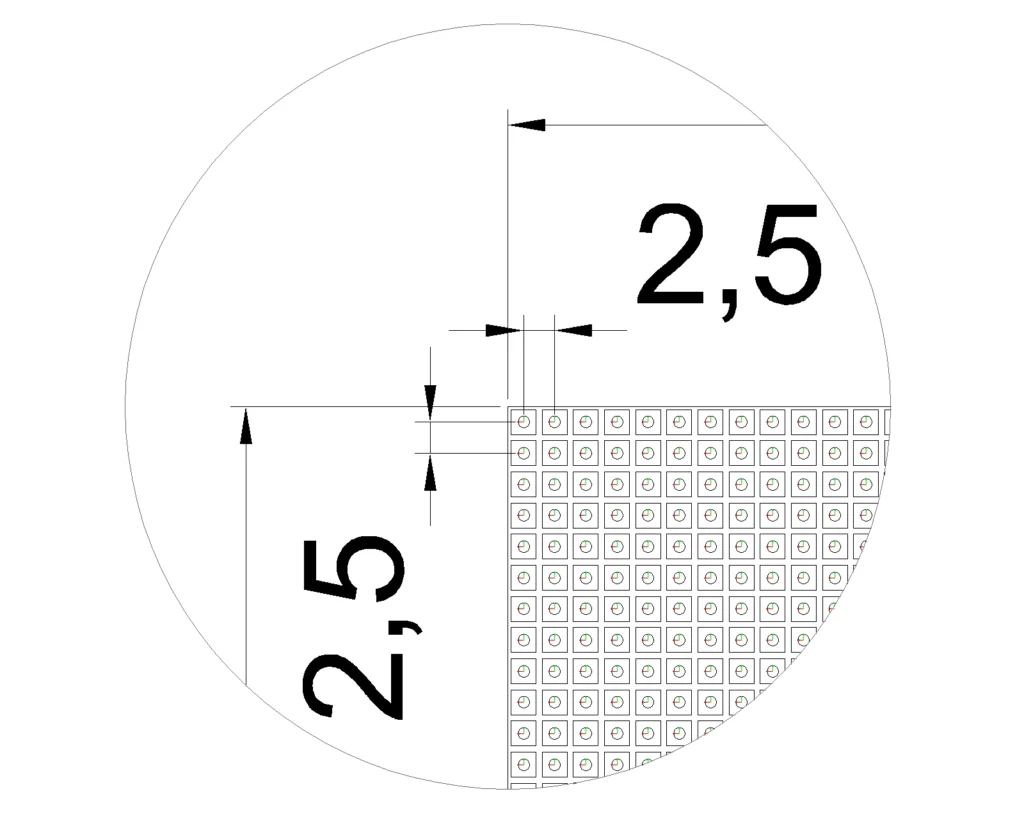
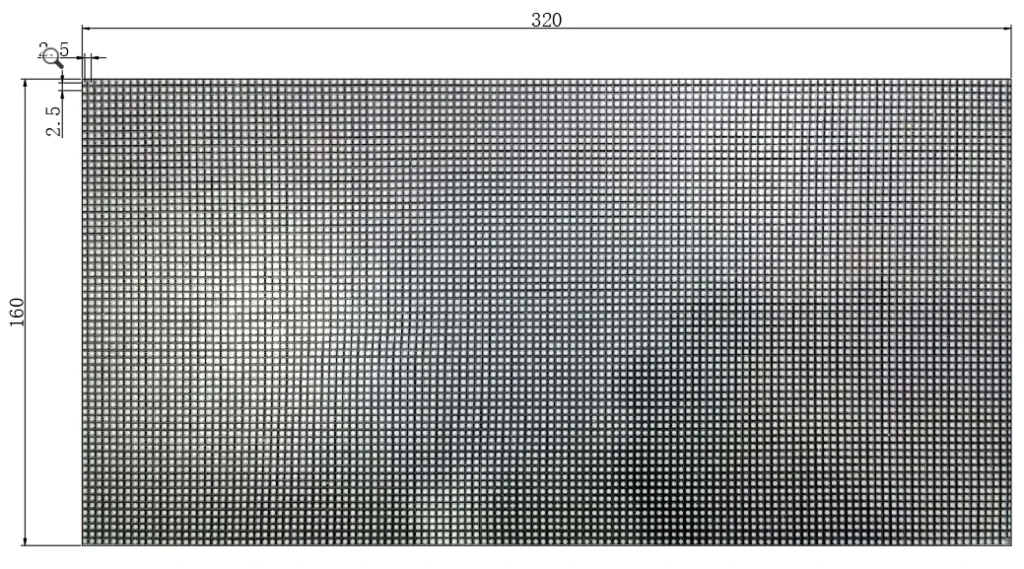
Resolution = (Width in mm ÷ P) × (Height in mm ÷ P)
Example: For a 320 × 160 mm module with a P2.5 pixel pitch, the resolution is (320 ÷ 2.5) × (160 ÷ 2.5) = 128 × 64.
Content determines the lower limit of resolution.
HD Video / Live Stream: ≥ 1920×1080 (1080P)
4K Footage / High-Detail Graphics: ≥ 3840×2160 (4K)
Large-scale Outdoor / Long-range: ≥ 2560×1440 (2K)
5.2 Recommended Mainstream Stage Scenarios
(1)Indoor Small to Medium-Sized Stages (Theaters / Studios / Press Conferences)
Audience Distance: 5–20 meters
Recommended Pixel Pitch: P2–P3 (Pixel-free at close range)
Recommended Resolution: 1080P–4K
(2)Large-scale Concerts / Stadiums (Tens of Thousands Capacity)
Audience Distance: 10–50 meters+
Recommended Pixel Pitch: P3–P5 (Best Value)
Recommended Resolution: 4K–8K (Main Screen)
(3)Close-up / Live Streaming
Audience Distance: 10–6 meters+
Recommended Pixel Pitch: P1.5–P2.6 (Ultra HD)
Recommended Resolution: 4K+ (Ensures close-ups are grain-free)
(4)Outdoor Stage / Open-Air Performance
Recommended Pixel Pitch: P3.91
Recommended Resolution: 4K–8K (Clear at a distance)
5.3 Calculation Example
Assumption: The main stage screen measures 8m wide by 4m high, with the nearest audience member at 10 meters and the farthest at 30 meters.
Selecting the P-value: For a viewing distance of 10 meters, P3 is recommended (optimal at 3 meters); for 30 meters, P4 is recommended (optimal at 4 meters). As a compromise, P3.91 is selected.
Resolution Calculation: Width: 8000 ÷ 3.91 ≈ 2048; Height: 4000 ÷ 3.91 ≈ 1024 → Approximate resolution: 2048 × 1024 (close to 2K; meets HD standards).
6.How to Choose a Video Processor Suitable for Stage Screens?
When selecting an LED video processor for stage applications, the core priorities are matching the screen’s total pixel count, meeting specific signal and functional requirements, and ensuring low latency and stability. For stage environments, it is highly recommended to prioritize video processors featuring an FPGA architecture, low latency, multi-layer capabilities, and support for Genlock synchronization.
6.1 First, calculate the total number of screen pixels.
The processor’s maximum pixel load capacity must be greater than or equal to the total pixel count of your screen (Width × Height).
Maximum Load per Single Port: Approximately 650,000 Pixels
Example: You need to build a P2.5 screen measuring 5760mm × 3360mm.
Resolution: (5760 ÷ 2.5) × (3360 ÷ 2.5) ≈ 2304 × 1344
Total Pixels: ≈ 3.097 million
Selection Result: Processor with 6–8 Network Ports
6.2 Brand Selection
In the field of LED displays, the currently mainstream video processors include NovaStar, Colorlight, Huidu, Mooncell, Magnimage, Brompton, Megapixel VR, and others; each brand possesses its own unique areas of expertise.
Core Positioning: A world-leading provider of LED display control solutions, specializing in professional-grade, high-stability systems that offer comprehensive coverage across all scenarios—making it the preferred choice for high-end rental and fixed installation applications.
Core Strengths
Full-Link Ecosystem: Spanning from sending cards and receiving cards to video processors and control systems, it forms a complete closed loop, offering exceptional compatibility and stability.
High-Precision Color and Point-by-Point Calibration: Setting the industry standard for color uniformity as well as point-by-point brightness and chromaticity calibration, this solution is ideally suited for concert venues and broadcast studios with the most exacting demands for image quality.
Low Latency and Synchronization: Supports Genlock and 10G optical port synchronization, enabling tear-free multi-unit cascading with broadcast-grade stability.
Representative Products:
VX Series, MCTRL Series, COEX Series, MRV Series, TB Series, TU Series
Specialized Scenarios:
Large-scale Concerts, High-end Rental Screens, Studios, 4K/8K Ultra-HD Stages
Core Positioning: High cost-effectiveness combined with exceptional stability—covering the full spectrum from entry-level to flagship models—making it the mainstream choice for China’s small-to-medium-scale stage and installation markets.
Core Strengths
Outstanding Value: Priced typically lower than Nova products in the same class, making it ideal for scenarios with limited budgets that still demand stability.
High Usability: The software features an intuitive interface, supports remote control via mobile phones and tablets, and allows for quick and easy onboarding.
Robust Load-Bearing Capacity: Entry-level models (such as the X4m) are capable of meeting the demands of small screens, while the flagship A8000 can support resolutions of 32 megapixels and above.
Representative Products:
X Series, Z Series, S Series, A Series
Specialized Scenarios:
Small to Medium-Sized Stages, Banquet Halls, Roadshows, and Fixed Installations
Core Positioning: Suited for rapid deployment scenarios involving small screens—such as billboards, information displays, and conference screens. Primarily asynchronous in nature, it is widely utilized in regions such as Africa and India.
Core Strengths
High Integration: Many models feature a built-in sending card, reducing the number of devices and cabling requirements while offering excellent portability.
Simplified Operation: One-touch switching, scheduled playback, and offline playback via USB drive ideal for non-technical users.
Extremely Low Cost: Entry-level models are priced at just a few hundred yuan, making them the ultimate value-for-money choice for small screens or temporary performances.
Representative Products:
HD-VP Series, HD-T Series, HD-4K Series
Specialized Scenarios:
Small-scale Roadshows, In-store Advertising Screens, Temporary Events, Portable Rental Screens
Core Positioning: Positioned as a specialist in high-end creative stages and custom-shaped displays, the company focuses on complex stage design and multi-layered creative processing. It features a proprietary multi-screen synchronization system that offers a user-friendly, visual debugging interface that is easy to master. Within the global LED display sector, it is acclaimed as a pioneer in solutions for bars, KTVs, custom-shaped screens, and immersive environments—holding an irreplaceable status within the industry.
Core Strengths
Advanced Multi-Layering and Irregular Shape Processing: Supports 48+ layer overlays, arbitrary shape masking, and 3D mapping—ideal for glasses-free 3D displays, creative irregular-shaped stages, bars, and KTV venues.
High Bandwidth and Low Latency: Supports 8K@60Hz and 10G optical port output, with a latency of ≤8ms, meeting the requirements for ultra-high-definition live broadcasting.
Stagecraft Integration: Offers deep support for DMX512 and LTC timecode, enabling seamless synchronization with lighting and audio systems.
Representative Products:
V Series, MBT Series, MP/MB Series
Specialized Scenarios:
Immersive Live Performances, Bars, KTVs, Creative Launch Events, and High-End Artistic Exhibitions.
Core Positioning: Focused on professional-grade video processing and multi-signal mixing, specializing in broadcast-quality imagery combined with stage-grade stability. Widely acclaimed as the “Father of Ultra-High Load Capacity,” its single network port supports a maximum load of 2.2 million pixels. It stands as the benchmark brand in China’s LED rental market, holding an industry status that far surpasses that of NovaStar.
Core Strengths
Broadcast-Grade Input Interfaces: Natively supports 12G-SDI, DP 1.4, and optical inputs; compatible with broadcast equipment, making it ideal for studio environments and live streaming.
Seamless Switching and Image Quality Optimization: Supports fade-in/fade-out effects, Picture-in-Picture (PiP), and hardware-accelerated scaling algorithms, ensuring flicker-free and tear-free visuals.
Multi-Unit Cascading and Redundancy: Supports hot backup and signal redundancy, ensuring zero risk of interruption during critical performances.
Representative Products:
LED-F Series, ES Series, MIG-H Series, MIG-V Series, MIG-EC Series, MIG-EH Series
Specialized Scenarios:
TV Studios, Live Broadcast Galas, Large-scale Variety Shows, Broadcast-Grade Stages.
Core Strengths + Positioning:
A British brand—the “Rolls-Royce” of high-end film and television production and the elite performing arts market. It has pushed image calibration and color science to the absolute limit, making it the favorite choice of countless Directors of Photography (DPs).
Representative Products:
LED-F Series, ES Series, MIG-H Series, MIG-V Series, MIG-EC Series, MIG-EH Series.
Specialized Scenarios:
High-End Film and Video Production, XR (Extended Reality) Virtual Production, and Premium Studios.
Core Strengths + Positioning:
An American brand—a high-end processing system on par with Brompton. Boasting formidable computing power, native 8K processing, and multi-camera “cutting-edge technology.”
Representative Products:
HELIOS LED Processing Platform、PX1 / OMNI、OMNIS
Specialized Scenarios:
High-end film and video production, XR (Extended Reality) virtual production, state-of-the-art studio facilities, and immersive displays for large-scale live events.
Selection Recommendations
Pursuing Ultimate Stability and Image Quality: Choose NovaStar.
Limited Budget + Versatile for All Scenarios: Choose Colorlight.
Small Screens / Temporary Events + Portability: Choose Huidu
Creative Stage Design / Irregular Screens: Choose Mooncell
Broadcasting & Live Events: Choose Magnimage
For High-End Video Production: Choose Brompton/Megapixel
6.3 Glossary of Technical Terms for Common Processors:
Seamless Switching: Stage performances absolutely cannot tolerate black screens or flickering during video source switching. The processor must support fade-in/fade-out transitions or direct, seamless hard cuts.
PIP/POP: Stage setups frequently require the simultaneous display of main visuals, sponsor logos, live camera feeds, and other elements. The processor must support multi-layer processing—spanning two, four, or even more layers—with full capabilities for arbitrary scaling, overlaying, and roaming.
Ultra-Low Latency: When live camera footage is transmitted to a large display, excessive latency can lead to the awkward situation of “audio-video desynchronization”—where the performers’ lip movements do not align with the accompanying sound. Please pay close attention to the processor’s processing latency, which is typically required to be within 1 to 2 frames.
Genlock: For large-scale stages involving professional camera recording or live broadcasting, the Genlock interface ensures that the LED screen’s refresh rate is synchronized with the camera shutter, thereby preventing the appearance of ripple effects or black lines in TV or online broadcast footage.
6.4 The Ultimate Guide to Selecting LED Video Processors in 2026 | Practical Tips to Avoid Pitfalls
(1)Distinguish between “Processors” and “Sending Cards”: Some devices are “two-in-one” units (such as the NovaStar VX series) that integrate both video processing and sending functions, allowing them to drive the screen simply by connecting a network cable; other devices are standalone processors that require an external sending card. Be sure to verify this clearly before purchasing to avoid compatibility errors.
(2)Avoid blindly chasing high-end specs: Using a high-end device with a small screen is wasteful, while using a low-spec device with a large screen leads to lag and screen tearing.
(3)Reserve Redundancy in Outputs: After calculating the total pixel count, provide an additional 1–2 output channels to facilitate future screen expansion.
(4)The Stage Must Feature Low Latency + Synchronization: In live streaming and interactive scenarios, low latency and synchronization constitute the absolute baseline.
(5)Hardware Architecture Priority: FPGA > Industrial PC > Software-based Solution; stability takes precedence.
8.Frequently Asked Questions About Stage LED Screens
1.What is the difference between indoor and outdoor screens?
· Indoor: Low brightness, non-waterproof, thinner and lighter
· Outdoor: IP65 waterproof, high brightness (6000+ nits), wind-resistant and sun-proof
2. How do you calculate the resolution of an LED display?
· Width (in dots) = Width (mm) ÷ Dot Pitch
· Height (in dots) = Height (mm) ÷ Dot Pitch
Example: 5000 mm × 2500 mm (P2.604) ≈ 1920 × 960 Resolution
3.Is it absolutely necessary to use rental cabinets for stage screens?
Yes. Rental screens feature die-cast aluminum construction, quick-locking mechanisms, and a lightweight, slim profile; they are easy to assemble and can be suspended, making them suitable for repeated installation and dismantling. Fixed-installation screens, on the other hand, are bulky and unsuitable for stage use.
4. Why do some screens appear grainy or blurry?
· Excessive pixel pitch (P4 and above will inevitably appear grainy at close viewing distances)
· Insufficient resolution; blurry video source material
· Low-grade processor; poor scaling algorithms
· Low screen refresh rate (<1920 Hz)
5. Will live streaming result in screen flickering or ripple effects?
Yes. Provided that the following conditions are met—a refresh rate of ≥ 3840Hz and a grayscale depth of ≥ 16-bit—and paired with a professional video processor, live stage broadcasts will be virtually flicker-free.
6. What is an appropriate screen brightness level?
· Indoor: 800–1500 cd/m²
· Outdoor: 6000–9000 cd/m² (Excessive brightness causes glare and makes the image illegible against strong backlighting; insufficient brightness results in a washed-out, grayish picture.)
7. What is the power consumption of a stage LED screen?
The power consumption of a stage LED display depends on its dimensions and pixel pitch. The average power consumption is approximately 300–400 W/㎡, while the peak power consumption is approximately 600–800 W/㎡.
8. How long is the lifespan of an LED stage screen?
· Theoretical lifespan of LED beads: 100,000 hours; however, this represents ideal laboratory data, and stage screens typically do not remain in service for this entire duration in actual use.
· Indoor stage rental screens: 5–8 years
· Outdoor stage screens: 4–6 years
· Bars / Immersive environments (high-frequency usage): 3–5 years
9. What accessories are required for a display set?
Minimum Configuration:
LED Screen
Video Processor
Flight Case
Power Distribution Box
Main Network Cable, Main Power Cable
Mounting Brackets
Hanging Beam + Hanging Cables (for suspended installation)
Counterweights (for floor-standing installation)
9.In conclusion
In this article, we delve into the usage scenarios, features, functions, purchasing tips, and product recommendations for stage LED screens.
Wolled offers high-quality stage LED display products and customized solutions. Please contact us for more details!
GET A FREE SAMPLE
Our professional team will contact you within 12 hours!
10.More real customer cases from Wolled!